
5 Common Blogging Mistakes That Hurt Your SEO (And How to Avoid Them)
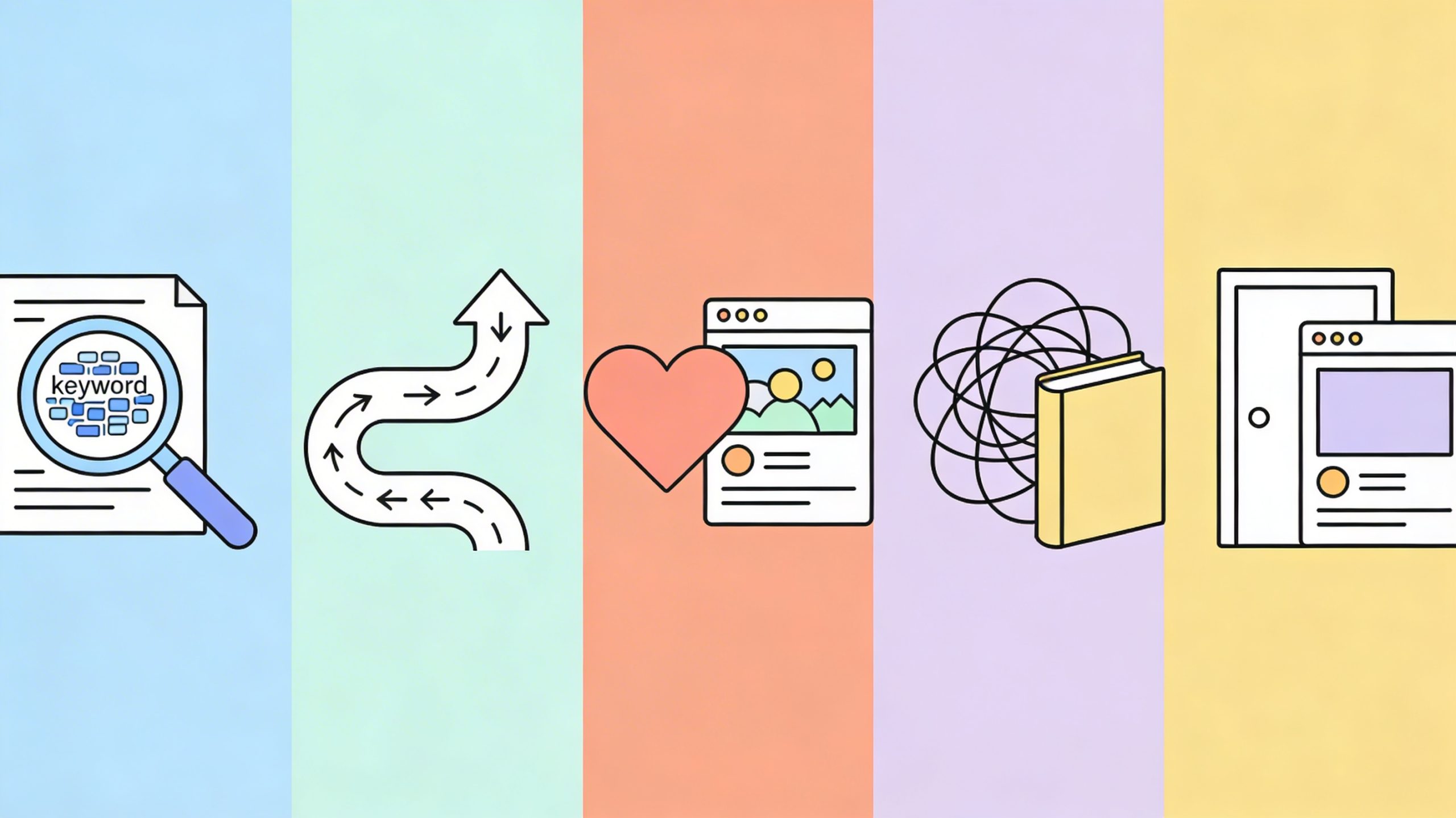
You post a blog you spent all day writing. Then it slips into Google’s back pages and stays there, and it can be unpleasant. The truth is simple. Good writing is only one part of ranking. Many blogs have strong content but still struggle because they overlook small SEO details that matter to both Google and readers. Let’s clean up the mistakes that could undermine your post.
1. Writing for search engines only and not humans
The mistake:
Some bloggers stuff keywords into posts until they sound unnatural. They write for the algorithm first, and the reader comes last. As a result, the content feels dry and lacks a voice.
Why it hurts SEO:
Readers leave fast when the writing feels forced and unnatural. And this hurts your page signals and shares. People don’t usually link to posts that feel like homework.
How to avoid it:
You can start with a simple story, like a friend telling you what went wrong. Then write like you mean it. You can use keywords where they fit and also use them in headings and early lines. The paragraphs should also be short to make the page easier to read. Then read it aloud; if it sounds odd, rewrite that line.
2) No clear story flow or structure
The mistake:
Many blogs jump from point to point without a logical path. They lack clear sections, proper headings, and a sense of journey from problem to solution. The reader feels lost and wonders where the post is going.
Why it hurts SEO:
Confused readers normally don’t stick around. They skim, get frustrated, and leave quickly. Search engines notice these poor engagement signals and rank your content lower. No flow = no go in search results.
How to avoid it:
Structure every post with a clear beginning. Start with the problem, keep the middle as the journey, and end with the solution. You can also use descriptive H2s and H3s that read like mini-stories when someone skims. And end each major section with a quick takeaway or action step. Like a small sign that says “Do this next.”
3) Forgetting to build an emotional connection
The mistake:
Too many blogs provide facts, lists, and generic advice without any substance. They sound like every other article on the topic. They are generally bland, forgettable, and lacking personality or real examples.
Why it hurts SEO:
Readers don’t trust or remember content that lacks humanity. They don’t subscribe, they don’t come back, and they certainly don’t link to or share it.
How to avoid it:
You can add real examples from customers or your own experience. Use casual and friendly language. Tell stories about mistakes, successes, or “aha” moments related to your topic. Show readers exactly how their life gets better after applying your advice.
4) Explaining complex topics in a confusing way
The mistake:
Some bloggers try to sound smart by using complicated terms and complicated sentences. They cram too much into each paragraph and forget to break down tricky concepts into bite-sized pieces. This can be a significant mistake.
Why it hurts SEO:
Confused readers bail out fast. And when people quickly hit the back button, it sends Google a clear signal that the content is not worth reading. Remember that bad user experience equals bad rankings.
How to avoid it:
Break complex ideas into simple steps. Use examples like: “Here’s how a food blogger fixed her image issues and doubled her traffic.” Add screenshots or simple diagrams for visual learners. Read your content aloud because if you stumble while reading, your readers will, too.
5) No strong CTA or next step
The mistake:
Many posts end with a flat conclusion that offers no direction. The reader finishes the article and has nowhere to go except back to the search results to find a better answer.
Why it hurts SEO:
When readers don’t engage with your site, your metrics quickly decline. You also lose valuable page views and valuable time. Search engines notice when visitors quickly bounce after reading just one page.
How to avoid it:
End each post with a natural next step that fits your content. Ask readers to share their experiences. Link to 2-3 related articles on your site. Offer a free download that expands on your topic. Give readers a reason to stay connected with your blog beyond this one post.